
In this Chapter, Andy Hogarth, Hazlewoods Financial Planning Partner, shares points of consideration for business owners navigating the transition after a sale, focusing not just on wealth management, but on creating a clear financial plan aligned to personal goals, priorities and the next stage of life.

Selling your business is a huge moment. It’s what you’ve been building towards for years, so when it’s done, it can often feel a bit strange.
There’s usually a mix of relief, excitement… and then the question: what do I actually do now?
Naturally, individual circumstances and the deal structure will have a significant bearing on your next steps. For some, exiting the business will mean retirement, whereas for others they may be continuing within the business as an employee or intending to pursue another venture.
What we often find is that people don’t want “investment ideas”, they want a plan, centred around what is important to them and aligned to their goals and objectives. So, what are the key steps in building the plan?
Start planning early
Involving a financial adviser as early as possible is advisable. As your business grows there will be planning opportunities, and by engaging early this allows the relationship to develop over time, meaning your adviser should have a clear understanding of your circumstances, aims and objectives. It may be the role of your adviser changes at the point of sale, but this should be a natural transition for you both.
Be clear on what you want
What is your end goal? What do you want your lifestyle to be after the business sale? Both huge questions but take the time to think about them and chat them through with your adviser. Having clarity in your mind of what you are looking for is essential in planning your next steps.
Figuring out what replaces the business
This can catch some people off guard.
For years, your business has driven your routine, your decisions, and your sense of purpose. After exit, there’s a gap, and it looks different for everyone.
Some people start again, some invest in other businesses, others step back completely; some do a bit of everything! Look beyond the financial planning and think about the life planning. What is going to be your new routine and purpose post-sale?
Understanding what you can (and can’t) do next
As mentioned, a lot of business owners are keen to get stuck into something new, but the detail in your sale agreement matters, especially around non-competes and earn-outs.
We work closely alongside your legal and tax advisers to make sure any next steps are joined up and don’t create problems later.
Where Hazlewoods Financial Planning fits in
No two individual’s circumstances or priorities are the same, meaning we don’t believe in a ‘default’ or ‘standard approach’. We take the time to fully understand you and create your personalised wealth management plan.
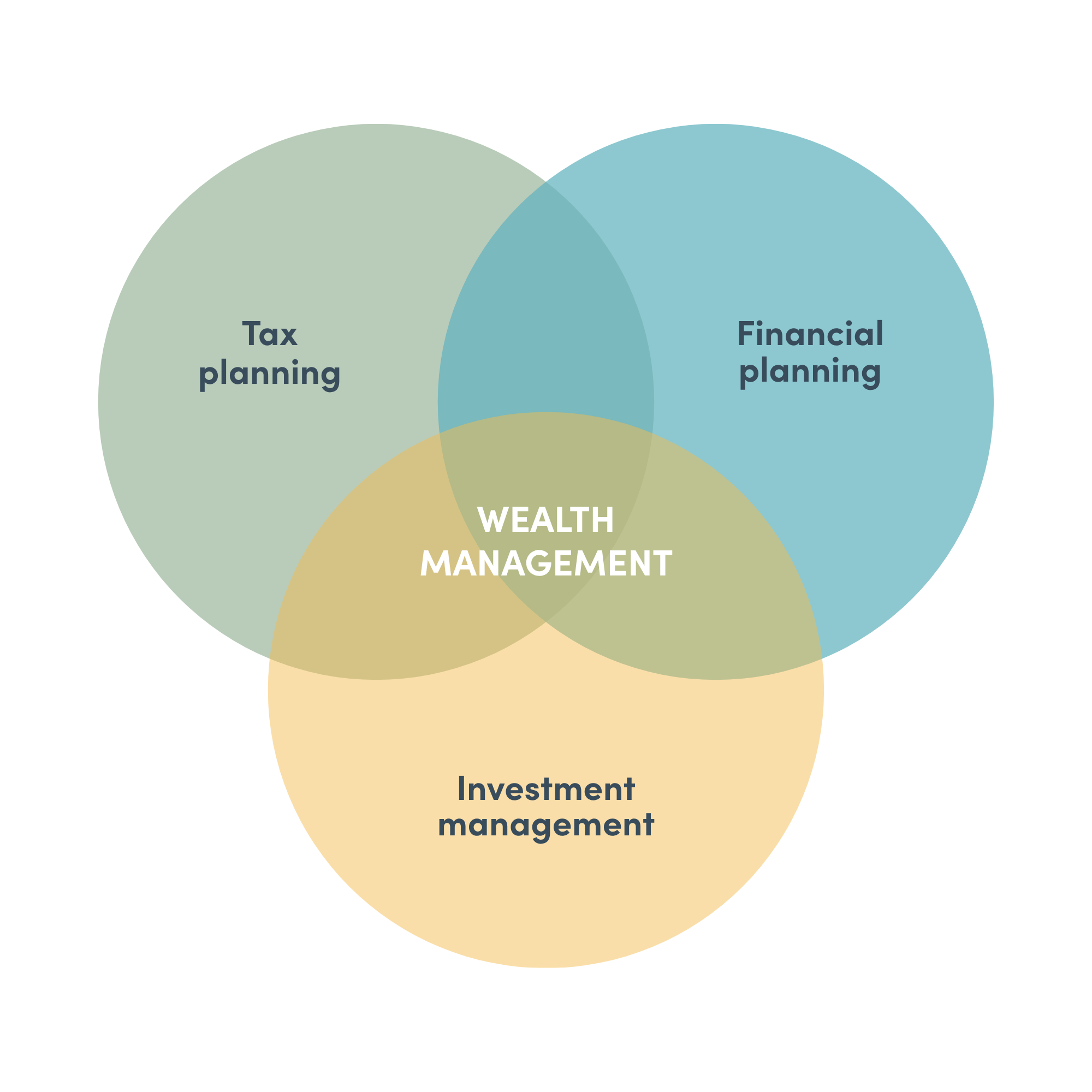
Investment management
Making your sale proceeds work for you, in line with the level of risk you are comfortable taking.
Tax planning
Ensuring the sale proceeds work in an efficient way, in line with your personal tax position.
Financial planning
Investments and tax planning aligned to your personal financial planning goals.
A final thought
Selling your business isn’t the end of anything, it’s just a change, and the people who get the most out of it are the ones who take the time to think it through and put a plan in place early.
If that’s something you’re starting to think about, it’s a confidential conversation worth having.